Friday, December 4, 2009

Wednesday, November 11, 2009
Hakgala
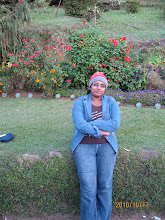
Hakgala Botanical Garden is situated on the Nuwara Eliya-Badulla main road, 16 km from Nuwara Eliya. The garden has a cool temperate climate because of altitude is 5,400 feet above the sea level. The mean annual temperature ranges between 16°C to 30°C during course of a year.From December to February it has a cold climate, while the warm climate persists from April to August.
Garden established in 1861 as an experimental cultivation of Cinchona, a commercial crop thriving at the time. Once after the Tea replace the Cinchona, it was turned into an experimental Tea cultivation. In 1884 it transformed to a Garden since then many sub tropical and some temperate plants were planted in the gardens.
In the folklores, it says Sri Lankan Demon King Ravana after abducting Sita, kept her hidden in this area and area was offered to Sita as a Pleasure Garden, the place finds mention in the Ramayana as Ashok Vatika.The area was named as "Sita Eliya" and "Sita Amman Temple" was built on the site.
Hakgala Botanical Garden is situated on the Nuwara Eliya-Badulla main road, 16 km from Nuwara Eliya. The garden has a cool temperate climate because of altitude is 5,400 feet above the sea level. The mean annual temperature ranges between 16°C to 30°C during course of a year.From December to February it has a cold climate, while the warm climate persists from April to August.
Garden established in 1861 as an experimental cultivation of Cinchona, a commercial crop thriving at the time. Once after the Tea replace the Cinchona, it was turned into an experimental Tea cultivation. In 1884 it transformed to a Garden since then many sub tropical and some temperate plants were planted in the gardens.
In the folklores, it says Sri Lankan Demon King Ravana after abducting Sita, kept her hidden in this area and area was offered to Sita as a Pleasure Garden, the place finds mention in the Ramayana as Ashok Vatika.The area was named as "Sita Eliya" and "Sita Amman Temple" was built on the site.
flower garden
Flower garden
A flower garden is a general term for any garden where flowers are grown for decorative purposes. Because flowers bloom at varying times of the year, and some plants are annual, dying each winter, the design of flower gardens can take into consideration to maintain a sequence of bloom and even of consistent color combinations, through varying seasons.
Flower color is an important feature of both the herbaceous border and the mixed border that includes shrubs as well as herbaceous plants, and of bedding-out schemes limited to colorful annuals. Flower gardens are sometimes tied in function to other kinds of gardens, like knot gardens or herb gardens, many herbs also having decorative function, and some decorative flowers being edible.
One simpler alternative to the designed flower garden is the "wildflower" seed mix, with assortments of seeds which will create a bed that contains flowers of various blooming seasons, so that some portion of them should always be in bloom. The best mixtures even include combinations of perennial and biennials, which may not bloom until the following year, and also annuals that are "self-seeding", so they will return, creating a permanent flowerbed.
Subscribe to:
Posts (Atom)